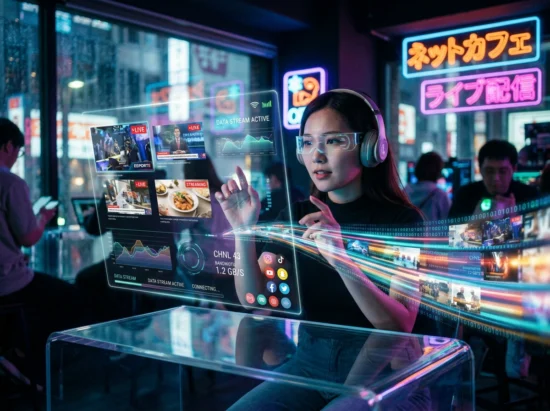
The Future of Digital Entertainment 2026
A New Era of Immersive Experiences
The world of digital entertainment is on the cusp of a revolution. As we enter the year 2026, we can expect a new era of immersive experiences that will change the way we engage with technology. The convergence of artificial intelligence, virtual reality, and the Internet of Things (IoT) will create a landscape of endless possibilities for creators, producers, and consumers alike.
Advancements in Virtual Reality and Augmented Reality
Virtual reality (VR) and augmented reality (AR) are no longer just concepts – they’re now integral parts of our lives. By 2026, we can expect to see significant improvements in VR and AR technology, making them even more accessible and affordable for the masses. The introduction of more advanced haptic feedback systems, higher-resolution displays, and more sophisticated eye-tracking technologies will create a more realistic and immersive experience for users.
Imagine being able to step into a virtual world that’s indistinguishable from reality, or having the ability to overlay digital information onto the real world. The applications for VR and AR are vast, and we can expect to see them integrated into various industries, such as education, healthcare, and entertainment.
The Rise of Interactive Storytelling
Interactive storytelling is becoming increasingly popular, and by 2026, we can expect to see a significant increase in the use of this technology. With the help of AI, creators can craft stories that adapt to the viewer’s preferences, making the experience more engaging and personal.
Imagine being able to choose the path of a story, with each decision leading to a unique outcome. This type of interactive storytelling has the potential to revolutionize the way we consume media, making it more dynamic and immersive.
The Impact of 5G and 6G on Digital Entertainment
The rollout of 5G networks has already started to transform the way we consume digital entertainment. With the introduction of 6G, we can expect to see even faster data transfer rates, lower latency, and a more seamless user experience. This will enable the widespread adoption of cloud gaming, virtual reality, and other immersive technologies.
Imagine being able to stream high-definition content in real-time, with no buffering or lag. The possibilities for digital entertainment are endless, and the impact of 5G and 6G will be felt across the globe.
The Future of Game Development
The gaming industry is on the cusp of a revolution, with the introduction of new technologies and the rise of cloud gaming. By 2026, we can expect to see a significant increase in the use of AI, machine learning, and cloud computing in game development.
Imagine being able to create games that adapt to your preferences, with AI-powered characters that learn and evolve over time. The possibilities for game development are vast, and we can expect to see a new era of immersive and dynamic gaming experiences.
The Business of Digital Entertainment
Monetization Strategies
The way we monetize digital entertainment is changing. With the rise of streaming services, subscription-based models, and micropayments, creators and producers are finding new ways to generate revenue.
Imagine being able to earn money from your content, without the need for intermediaries or traditional advertising models. The possibilities for monetization are vast, and we can expect to see a new era of innovative and effective strategies.
The Role of Data in Digital Entertainment
Data is becoming increasingly important in digital entertainment. By 2026, we can expect to see a significant increase in the use of data analytics, machine learning, and AI in the industry.
Imagine being able to use data to create more accurate and personalized content recommendations, or to optimize the user experience for maximum engagement. The possibilities for data in digital entertainment are vast, and we can expect to see a new era of data-driven storytelling.
Regulation and Governance
The digital entertainment industry is subject to various regulations and laws. By 2026, we can expect to see a significant increase in the use of AI and machine learning in the enforcement of these regulations.
Imagine being able to use AI to detect and prevent copyright infringement, or to identify and block online harassment. The possibilities for regulation and governance are vast, and we can expect to see a new era of innovative and effective solutions.
The Future of Digital Entertainment: A Conclusion
The future of digital entertainment is bright, with a new era of immersive experiences, interactive storytelling, and innovative technologies on the horizon. As we enter the year 2026, we can expect to see significant advancements in VR and AR, the rise of interactive storytelling, and the impact of 5G and 6G on digital entertainment.
FAQs
What is the future of virtual reality in digital entertainment?
Virtual reality is expected to become even more accessible and affordable, with the introduction of more advanced haptic feedback systems, higher-resolution displays, and more sophisticated eye-tracking technologies.
How will AI impact the digital entertainment industry?
AI will play a significant role in the digital entertainment industry, enabling the creation of more accurate and personalized content recommendations, optimizing the user experience for maximum engagement, and detecting and preventing copyright infringement.
What is the future of cloud gaming?
Cloud gaming is expected to become even more widespread, with the introduction of 6G and the rise of cloud computing. This will enable the seamless streaming of high-definition content in real-time, with no buffering or lag.
What are the implications of 5G and 6G on digital entertainment?
The rollout of 5G and 6G will enable the widespread adoption of cloud gaming, virtual reality, and other immersive technologies. This will create a new era of immersive experiences, with faster data transfer rates, lower latency, and a more seamless user experience.
What is the future of game development?
The future of game development is expected to be shaped by the introduction of new technologies, such as AI, machine learning, and cloud computing. This will enable the creation of games that adapt to the player’s preferences, with AI-powered characters that learn and evolve over time.