Building a Modern Entertainment System: A Comprehensive Guide
In today’s world, entertainment systems are more than just a collection of devices that play music, videos, or games. They are an integral part of our homes, providing a way to relax, socialize, and enjoy our favorite content. However, building a modern entertainment system can be a daunting task, especially with the numerous options available. In this article, we will explore the best ways to build a modern entertainment system that meets your needs and budget.
Choosing the Right Devices
The first step in building a modern entertainment system is to choose the right devices. There are several types of devices to consider, including:
- TVs: The centerpiece of any entertainment system is the TV. You can choose from a wide range of sizes, resolutions, and technologies, such as LED, OLED, or QLED.
- Soundbars: Soundbars are a popular alternative to separate speakers, offering better sound quality and a sleeker design.
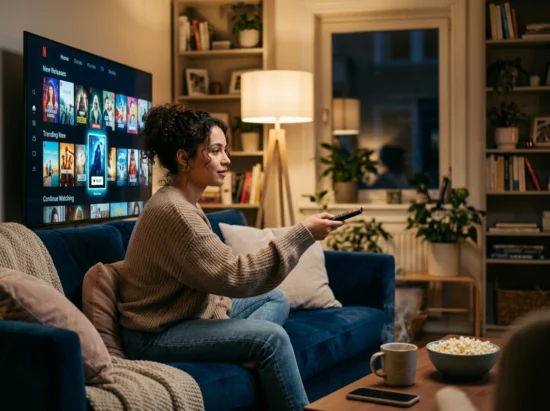
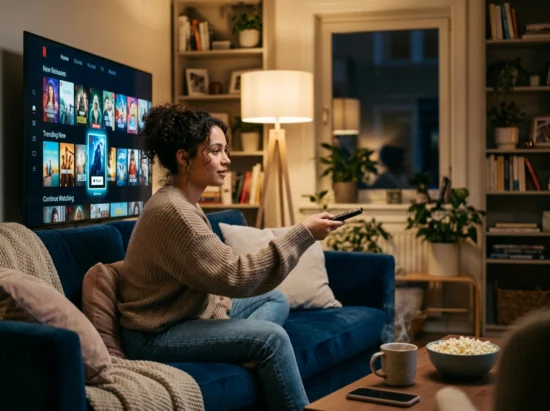
- Streaming devices: Devices like Roku, Amazon Fire TV, or Google Chromecast allow you to stream content from various sources, such as Netflix, Hulu, or Amazon Prime.
- Game consoles: If you’re an avid gamer, you’ll need a console like PlayStation, Xbox, or Nintendo Switch to play your favorite games.
- Media players: Devices like Apple TV or Google TV allow you to stream content from various sources and play back media files from your computer or external hard drive.
Designing Your Entertainment System
Once you have chosen the right devices, it’s time to design your entertainment system. Here are a few things to consider:
- Placement: Where will you place your devices? Consider the layout of your room and the viewing angle to ensure optimal performance.
- Power supply: Make sure you have enough power outlets to support all your devices. You may need to invest in a power strip or a surge protector to keep your devices safe.
- Connectivity: Consider the types of connections you’ll need to make, such as HDMI, USB, or Wi-Fi. Ensure that your devices are compatible with each other.
- Sound quality: If you’re planning to use a soundbar or separate speakers, consider the sound quality you need. Do you want 2.1, 5.1, or 7.1 surround sound?
Setting Up Your Entertainment System
With your devices and design plan in place, it’s time to set up your entertainment system. Here are a few things to consider:
- Connectivity: Connect all your devices to the power supply and each other using the appropriate cables. Make sure you have a stable Wi-Fi connection if you’re using streaming devices.
- Calibration: Calibrate your devices to ensure optimal performance. This may include adjusting the TV’s picture settings, soundbar’s sound levels, or console’s graphics settings.
- Content streaming: Set up your streaming devices to access your favorite content. This may involve creating accounts, downloading apps, or subscribing to services.
- Testing: Test your entertainment system to ensure that everything is working correctly. Play some music, watch a movie, or play a game to make sure you’re satisfied with the performance.
Upgrading and Maintaining Your Entertainment System
Once you have set up your entertainment system, it’s essential to keep it up to date and maintained. Here are a few things to consider:
- Software updates: Regularly update your devices’ software to ensure you have the latest features and security patches.
- Hardware upgrades: Consider upgrading your devices as new technologies emerge. For example, you may want to upgrade to a 4K TV or a newer console.
- Content management: Manage your content collection by organizing your digital media, backing up your data, and ensuring that you have access to your favorite content.
- Support and troubleshooting: Have a plan in place for when things go wrong. Research online resources, consult user manuals, or contact customer support for help.
Conclusion
Building a modern entertainment system requires careful planning, consideration of your needs, and a willingness to invest in the right devices and technology. By following the steps outlined in this article, you can create an entertainment system that meets your needs and provides endless hours of enjoyment. Remember to stay up to date with the latest technologies and trends, and don’t be afraid to ask for help when you need it.
FAQs
Q: What is the best way to connect my devices to the internet?
The best way to connect your devices to the internet depends on your specific needs and setup. You can use a wired Ethernet connection, Wi-Fi, or even a mobile hotspot. Make sure to choose a stable and secure connection method that suits your requirements.
Q: How do I optimize my entertainment system for 4K video streaming?
To optimize your entertainment system for 4K video streaming, you’ll need a 4K-capable TV and a 4K-compatible streaming device. Ensure that your devices support the HDR10 and Dolby Vision formats for the best possible picture quality. You may also need to adjust your TV’s picture settings to optimize the display for 4K content.
Q: What is the difference between a soundbar and a home theater system?
A soundbar is a self-contained audio system that provides a more compact and affordable alternative to a traditional home theater system. A home theater system, on the other hand, typically consists of multiple speakers, a subwoofer, and a receiver. Soundbars are great for small spaces or for those who want a simple, plug-and-play solution.
Q: Can I use a single device to stream content from various sources?
Yes, you can use a single device to stream content from various sources. For example, a streaming device like Roku or Amazon Fire TV can access content from multiple services, such as Netflix, Hulu, or Amazon Prime. You can also use a media player like Apple TV or Google TV to stream content from various sources and play back media files from your computer or external hard drive.
Q: How do I protect my entertainment system from power surges and electrical damage?
To protect your entertainment system from power surges and electrical damage, consider investing in a surge protector or a power conditioner. These devices can help safeguard your devices from power spikes and electrical damage, ensuring that your system remains safe and functional.