Entertainment Trends 2026: What Everyone Is Watching
As we step into the new decade, the entertainment industry is undergoing a significant transformation. With the rise of streaming services, social media, and innovative technologies, the way we consume and engage with entertainment content is changing rapidly. In this article, we’ll delve into the latest entertainment trends of 2026 and explore what’s capturing the attention of audiences worldwide.
The Rise of Immersive Storytelling
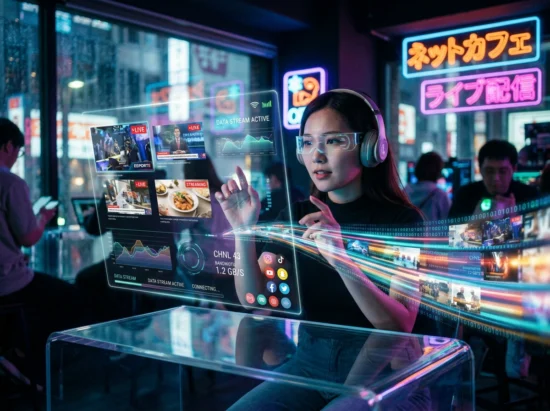
Immersive storytelling has become a staple in modern entertainment. From interactive experiences to virtual reality (VR) and augmented reality (AR) content, audiences are craving more engaging and participatory forms of storytelling. The success of immersive experiences like escape rooms and virtual reality events has paved the way for new formats and platforms to emerge. Expect to see more innovative storytelling techniques and formats in the coming years.
Streaming Services: The New Entertainment Powerhouses
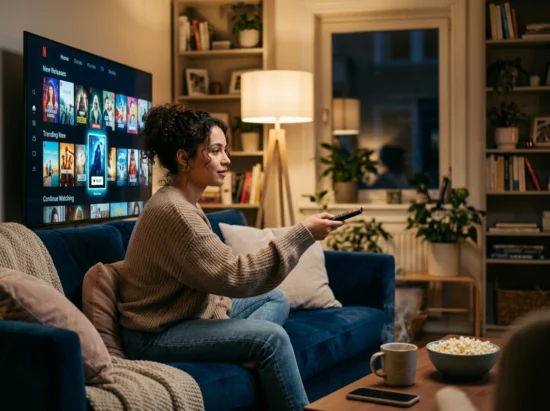
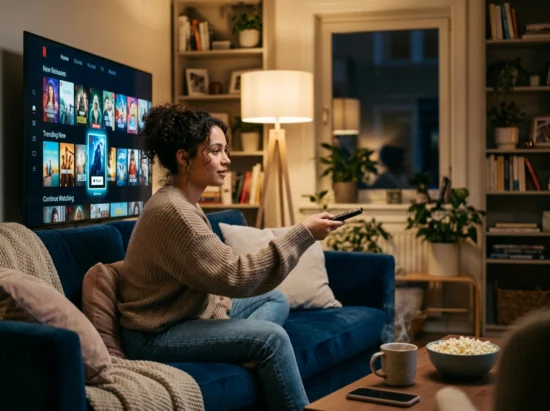
Streaming services have revolutionized the way we consume entertainment content. With the likes of Netflix, Amazon Prime, and Disney+ leading the charge, streaming services have become the go-to destination for entertainment enthusiasts. But what’s driving this trend? According to recent surveys, the main reasons for streaming services’ popularity are their vast libraries, personalized recommendations, and affordability. As a result, traditional TV viewing habits are being rewritten, and streaming services are becoming the new entertainment powerhouses.
The Resurgence of Retro-Futurism
Retro-futurism, the aesthetic of nostalgia-fueled futuristic visions, is experiencing a significant resurgence in the entertainment industry. From the nostalgic vibes of 80s and 90s-themed TV shows and movies to the retro-futuristic landscapes of modern video games, this trend is sweeping the nation. As audiences crave more retro-inspired content, expect to see a surge in productions that incorporate vintage elements, nostalgic soundtracks, and futuristic concepts.
The Power of Social Media: Influencers and Online Communities
Social media has become an integral part of modern entertainment. Influencers, online communities, and social media platforms have created new avenues for artists to showcase their talents, connect with fans, and build their personal brands. The rise of social media influencers has transformed the way we consume entertainment content, with many fans turning to their favorite influencers for recommendations, behind-the-scenes insights, and exclusive content. As social media continues to shape the entertainment landscape, expect to see more collaborations between influencers, brands, and entertainment platforms.
The Future of Music: NFTs, Virtual Concerts, and AI-Generated Content
The music industry is on the cusp of a revolution, driven by the emergence of new technologies and formats. Non-fungible tokens (NFTs) are transforming the way we own and trade music, while virtual concerts and AI-generated content are redefining the way we experience live music. As the demand for exclusive and immersive music experiences grows, expect to see more innovative approaches to music production, marketing, and consumption.
The Rise of Esports and Gaming Communities
The esports and gaming industries have exploded in recent years, with the global gaming market projected to reach $190 billion by 2026. The growth of streaming services, online communities, and social media has created new opportunities for gamers to connect, share their experiences, and participate in competitive gaming events. As the esports industry continues to expand, expect to see more partnerships between gaming brands, teams, and entertainment platforms.
Conclusion
The entertainment industry is undergoing a seismic shift, driven by technological innovations, changing audience habits, and the rise of new formats and platforms. As we look to the future, it’s clear that immersive storytelling, streaming services, retro-futurism, social media, and gaming communities will continue to shape the entertainment landscape. Whether you’re a fan, creator, or industry professional, the trends outlined in this article will provide valuable insights into the evolving world of entertainment.
FAQs
Q: What is the significance of immersive storytelling in modern entertainment?
A: Immersive storytelling has become a staple in modern entertainment, allowing audiences to engage more actively and participate in the storytelling process. This trend is driven by the rise of VR, AR, and interactive experiences that blur the lines between creators and consumers.
Q: Which streaming services are leading the charge in the entertainment industry?
A: Netflix, Amazon Prime, and Disney+ are among the leading streaming services that have revolutionized the way we consume entertainment content. Their vast libraries, personalized recommendations, and affordability have rewritten traditional TV viewing habits.
Q: What is the significance of retro-futurism in the entertainment industry?
A: Retro-futurism is a nostalgic aesthetic that combines vintage elements with futuristic concepts. This trend is driven by audiences’ cravings for retro-inspired content, nostalgic soundtracks, and futuristic visions.
Q: How is social media influencing the entertainment industry?
A: Social media has become an integral part of modern entertainment, with influencers, online communities, and social media platforms creating new avenues for artists to showcase their talents, connect with fans, and build their personal brands.
Q: What is the significance of NFTs in the music industry?
A: NFTs are transforming the way we own and trade music, allowing creators to monetize their work in new and innovative ways. This trend is driven by the emergence of blockchain technology and the need for exclusive and immersive music experiences.